
Residential Roofing
Historic Preservation Roofing Contractor in San Francisco.
Family-owned and Diamond Certified since 1982, serving the Bay Area with exceptional quality and customer service.
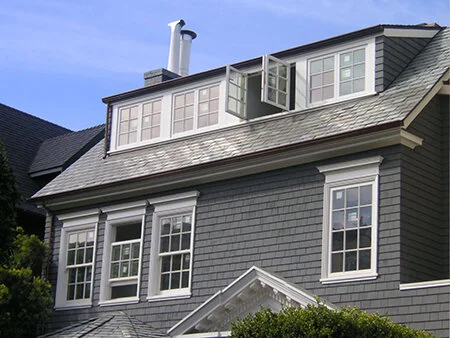
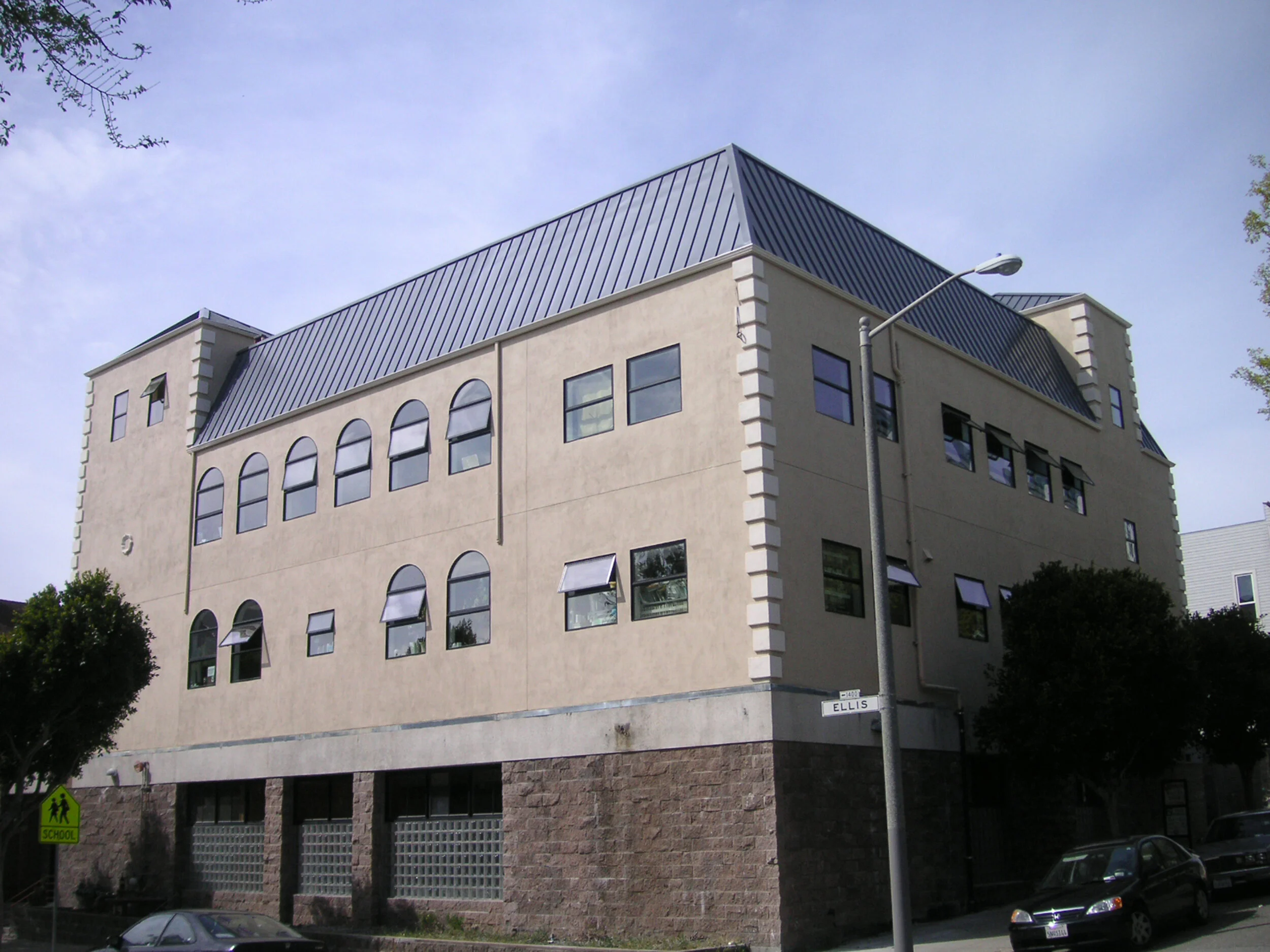
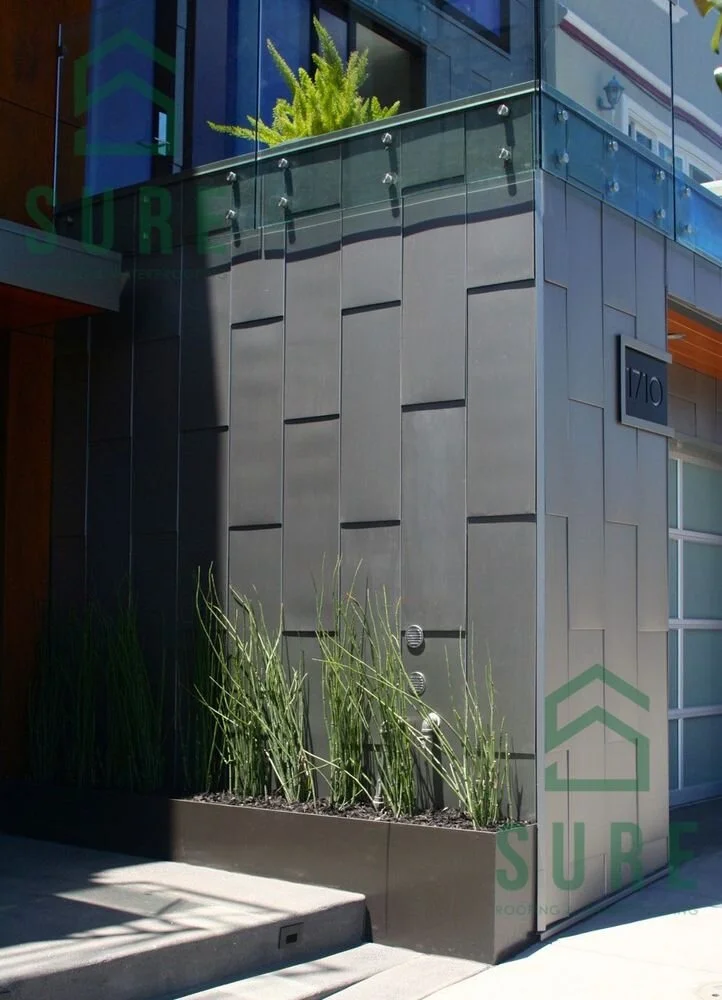
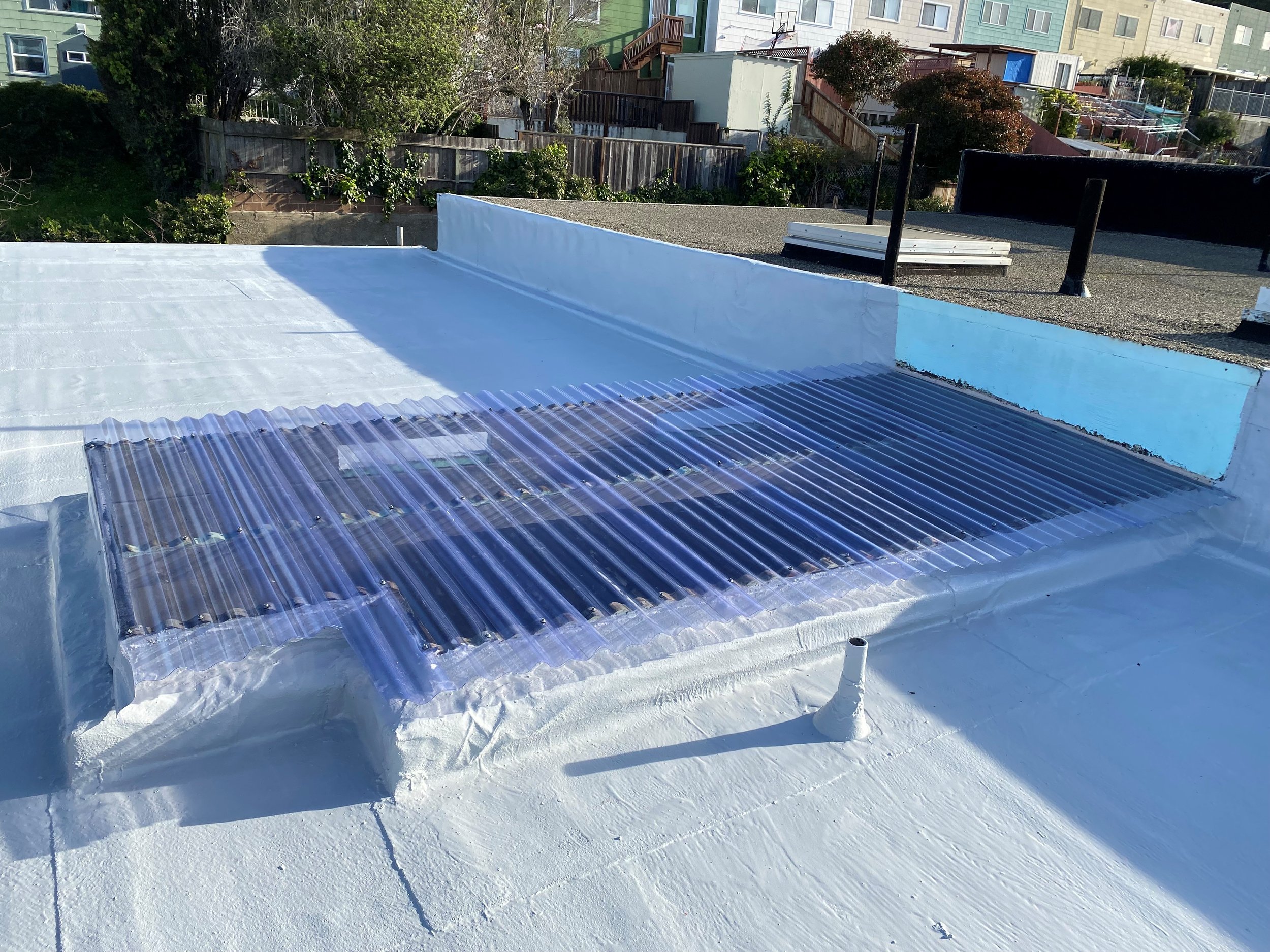

Trusted San Francisco Historical Roofing Experts Since 1982.
Sure Roofing understands the responsibility that comes with working on San Francisco's historic homes.
As a Diamond Certified, family-owned company with more than 40 years of Bay Area experience, we bring the expertise and care required to preserve the architectural character that makes our neighborhoods distinctive.
Our approach combines respect for original craftsmanship with modern roofing techniques that protect your home for decades to come.
Our Historical Roofing Services
San Francisco's historic homes require roofing contractors who understand both the technical requirements and aesthetic considerations of period architecture. Historical roof restoration involves assessing original materials, researching construction techniques, and selecting roofing solutions that maintain a building's historic character while providing modern protection.
-
A thorough evaluation of your historic roof examines existing materials, construction methods, and areas requiring attention. This assessment informs decisions about whether to repair, restore, or replace roofing components while preserving historically significant elements.
-
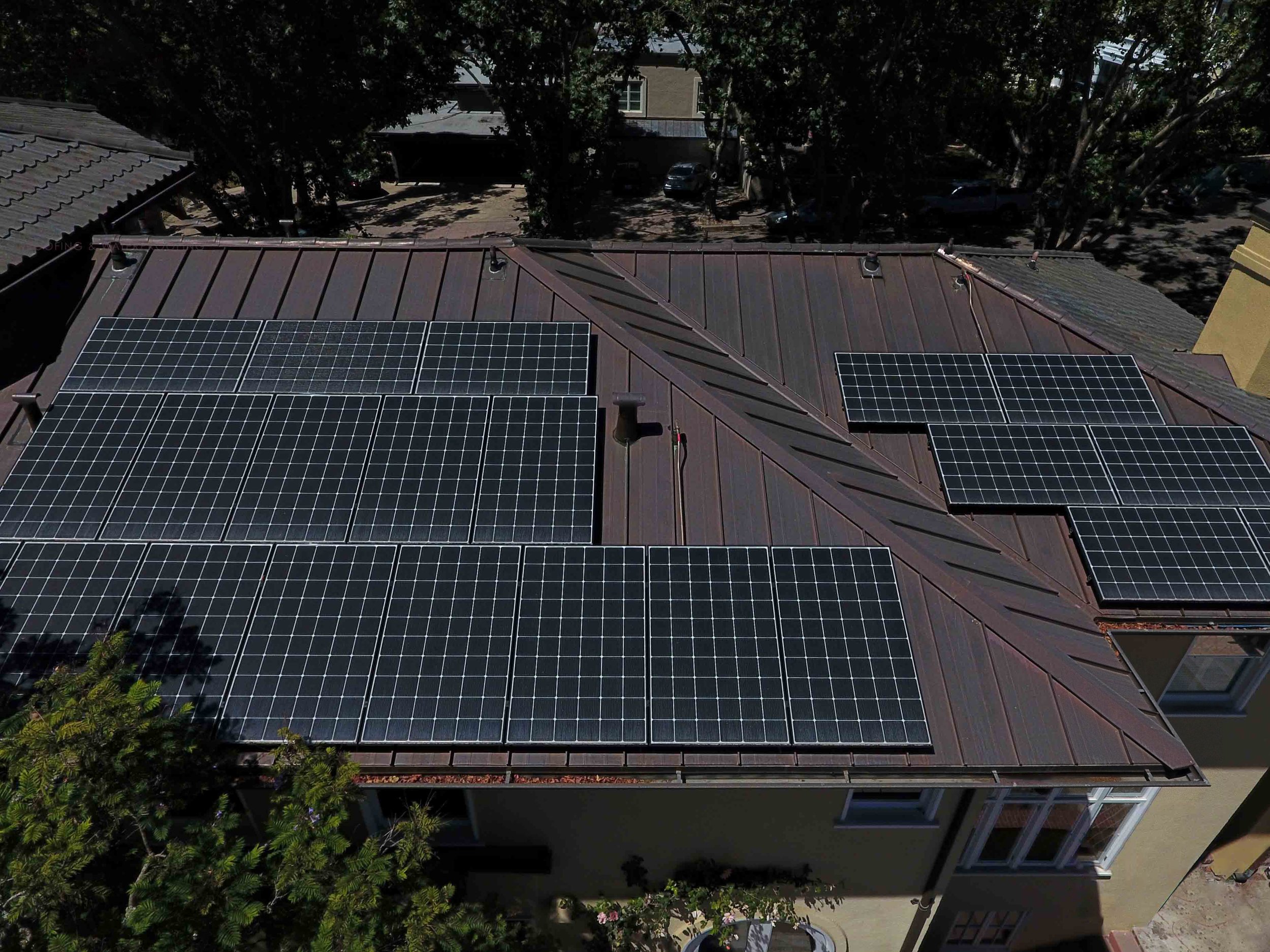
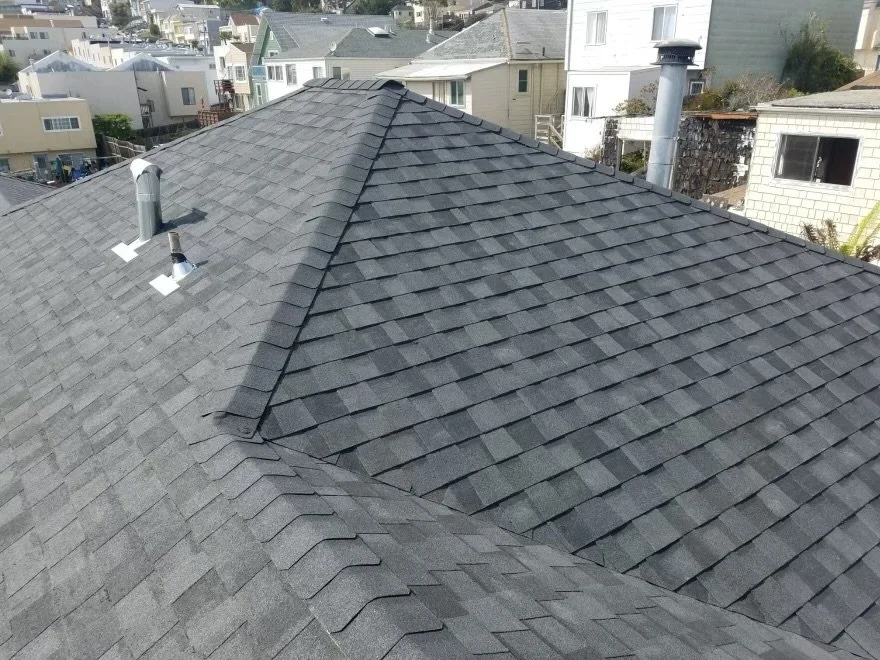
When replacement is necessary, selecting materials that reflect the original roof's appearance maintains your home's architectural integrity. Options may include composition shingles that replicate historic profiles, clay or slate tiles, or standing seam metal roofing depending on the original construction.
-
Historic roofs often require attention to underlying structure including roof framing, rafter tails, and sheathing. Addressing dry rot and structural deterioration ensures a solid foundation for roofing work while preserving original construction where possible.
San Francisco's Historic Architectural Styles
The Bay Area contains one of the nation's largest collections of historic residential architecture. Understanding these styles helps inform appropriate roofing choices.
-
San Francisco's Victorian homes include several distinct styles, each with characteristic roofing features:
Italianate (1850s-1880s): These homes typically feature flat roofs with decorative cornices supported by ornate brackets. False parapet roofs with decorative edging are common, along with bracketed porticos and elaborate window hoods.
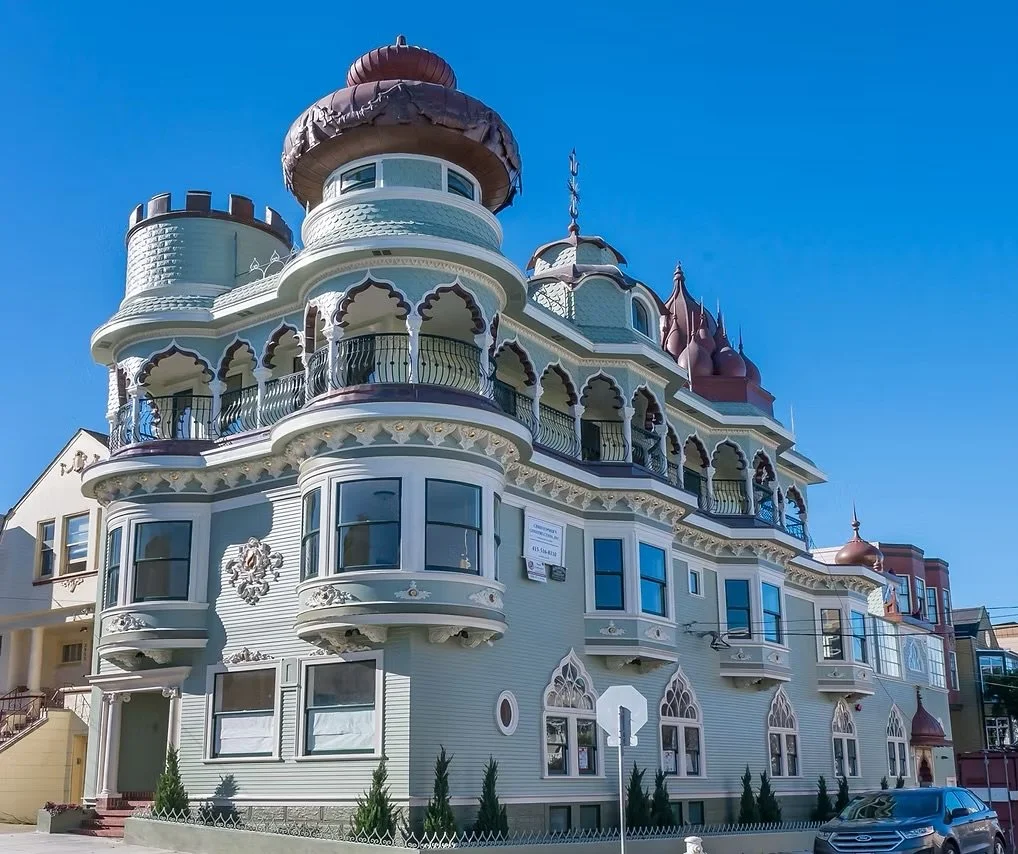
Queen Anne (1880s-1900): The most ornate Victorian style, Queen Anne homes feature steeply pitched roofs with multiple gables, corner towers with conical roofs, and decorative elements including finials, cresting, and patterned shingles. Turrets and complex rooflines create the distinctive silhouette of homes like the Painted Ladies.
Stick-Eastlake (1860s-1890s): These homes incorporate applied wooden decoration with geometric patterns. Roof designs became more complex during this period, with multiple levels and detailed trim work.
-
Built after the 1906 earthquake in neighborhoods that were rebuilt, Edwardian homes feature simpler designs with flat roofs, stacked bay windows, and classical column details. Less ornate than Victorian predecessors, these homes still require attention to period-appropriate materials and details.
-
Craftsman homes feature low-pitched gable roofs with wide, unenclosed eave overhangs. Exposed roof rafters and decorative beams under gables are characteristic elements. These homes often include hip roofs with shed dormers.
-
San Francisco's Sunset District contains approximately 150 Rousseau homes built in the early 1930s by architects Oliver and Arthur Rousseau. These storybook-style residences feature steep-pitched roofs with curved edges, rolled eaves and irregular shingle patterns that distinguish them from the uniform tract homes of the era. Concentrated between 33rd and 36th Avenues from Kirkham to Lawton streets, Rousseau homes were designed with whimsical rooflines that evoke medieval European cottages. Roofing work on these properties requires contractors who can navigate curved surfaces and match the handcrafted character the original builders intended.
-
Joseph Eichler built more than 11,000 homes in the Bay Area featuring distinctive flat or low-slope roofs with post-and-beam construction. These architecturally significant homes present unique roofing challenges due to their minimal roof slope and exposed tongue-and-groove ceiling construction. Preserving the clean rooflines while addressing insulation and waterproofing requires specialized approaches.
Historic Roof Considerations in the Bay Area
Many building codes restrict certain historic materials. Wood shingles, common on 19th-century San Francisco homes, may face fire code restrictions in some areas. Working with a knowledgeable contractor helps identify historically authentic alternatives that meet current requirements while maintaining visual character.
-
Many building codes restrict certain historic materials. Wood shingles, common on 19th-century San Francisco homes, may face fire code restrictions in some areas. Working with a knowledgeable contractor helps identify historically authentic alternatives that meet current requirements while maintaining visual character.
-
Properties listed on the National Register of Historic Places or designated as local landmarks may need to follow the Secretary of the Interior's Standards for the Treatment of Historic Properties. These guidelines address preservation, rehabilitation, restoration, and reconstruction approaches. Work that follows these standards may qualify for Federal Historic Preservation Tax incentives.
-
When partial repairs or replacements are needed, matching existing historic materials requires access to period-appropriate products or suitable alternatives. This may involve sourcing reclaimed materials or selecting modern products designed to replicate historic profiles and textures.
Bay Area Climate Challenges for Historic Homes
San Francisco's climate presents specific challenges for historic roofs:
-
Persistent moisture from fog can accelerate deterioration of wood components and encourage moss growth on shaded roof areas. Historic homes with original wood elements require attention to moisture management.
-
Hillside locations and coastal areas experience significant wind, which can lift poorly secured roofing materials on historic homes, particularly those with complex rooflines and multiple roof planes.
-
Coastal and near-coastal locations expose roofing materials to salt-laden air, which can corrode metal components and flashings. Historic metal roofing elements like standing seam roofs, cornices, and decorative cresting require appropriate protection.
-
San Francisco's temperature variations, while moderate compared to other regions, still cause expansion and contraction that can stress historic materials over time.
Why Choose Sure Roofing for Your Pitched Roof
When your historic home needs roofing attention, selecting a contractor who respects its architectural significance matters. Sure Roofing brings the combination of technical expertise and appreciation for historic craftsmanship your home deserves.
Our approach includes Diamond Certified service backed by more than 40 years of Bay Area experience. As a family-owned company since 1982, we understand the long-term investment historic homeowners make in preserving their properties. We take an educational approach that helps you understand your options and make informed decisions about your historic roof. Fair pricing with exceptional quality and customer service has built our reputation throughout San Francisco, Marin County, and San Mateo County.
A Trusted Experience
Serving the Bay Area, Including San Francisco, Marin County, and San Mateo County
Sure Roofing serves historic homeowners throughout the Bay Area, from San Francisco's Victorian neighborhoods to Marin's mid-century modern communities. Whether your home is a Queen Anne in Pacific Heights, a Craftsman bungalow in Noe Valley, a Rousseau home in the Sunset District or an Eichler in Terra Linda, we bring the expertise to preserve its architectural character. Ready to protect your historic home?
Frequently Asked Questions.
Still have questions? Take a look at the FAQ or reach out anytime!
-
Sure Roofing works on Bay Area historic homes spanning more than a century of architectural styles. This includes Victorian-era Italianate and Queen Anne homes, Edwardian residences, Craftsman bungalows, Rousseau Storybook homes and mid-century modern Eichler homes. Each style has distinct roofing characteristics that require appropriate materials and techniques to preserve the home's historic character.
-
Signs that a historic roof needs attention include visible damage such as missing or cracked materials, interior water stains, sagging areas, or deteriorated flashing around chimneys and roof penetrations. A professional assessment examines the roof's condition and helps determine whether targeted repairs can extend its life or full replacement is more appropriate.
-
Matching historic roofing materials often requires sourcing period-appropriate products or selecting modern alternatives designed to replicate historic profiles. For slate, tile, or specialty shingles, reclaimed materials may be available. When exact matches are not possible, experienced contractors select materials that complement the original appearance while meeting current building codes.
-
The Secretary of the Interior's Standards for the Treatment of Historic Properties provide guidelines for work on historically significant buildings. These standards address four treatment approaches: preservation, rehabilitation, restoration, and reconstruction. Properties listed on the National Register of Historic Places or seeking Historic Preservation Tax incentives typically must follow these guidelines.
-
Historic roofing requires knowledge of period-appropriate materials, traditional installation techniques, and preservation standards that general roofers may lack. An experienced historic roofer understands how to match materials, work carefully around ornate details, and comply with guidelines for properties in historic districts or seeking preservation tax incentives.
-
Sure Roofing combines Diamond Certified service with more than 40 years of Bay Area experience working on the region's diverse historic architecture. As a family-owned company since 1982, we understand that historic homes require contractors who appreciate their significance and bring both technical expertise and careful attention to preserving architectural character.