When a San Francisco Condo Roof Project Stops Being a Repair and Becomes a Board Decision
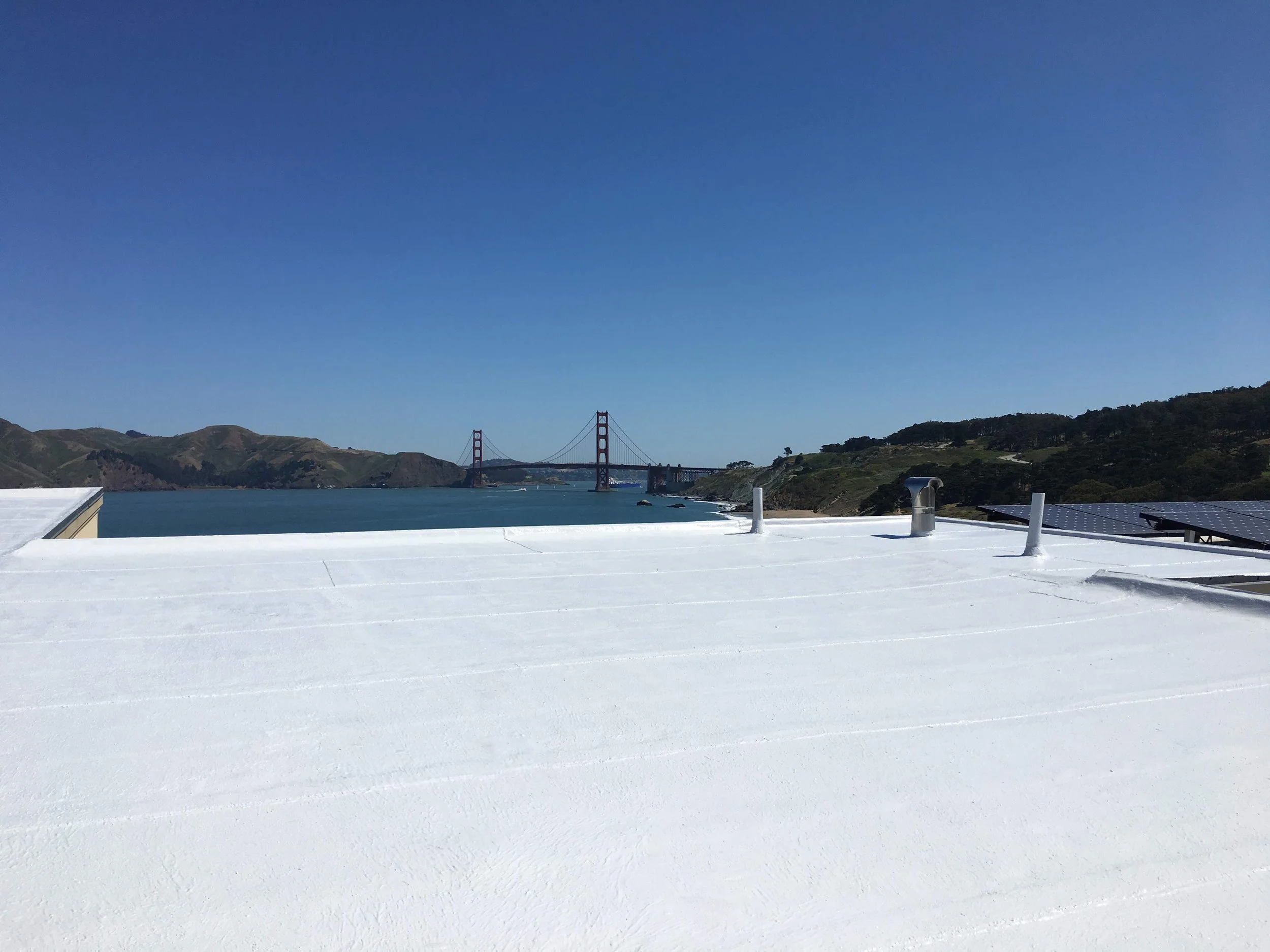
A San Francisco condo roof project becomes a board decision the moment it crosses specific regulatory and governance thresholds, not when the damage looks serious enough. The sequence is familiar: a property manager reports a problem, a contractor estimates the work and suddenly the board faces a choice between approving a patch and committing to a full replacement. Understanding which threshold a project crosses determines what the board has to do next.
San Francisco's Department of Building Inspection (SFDBI) sets the permit threshold. California's HOA governance law, combined with each HOA's CC&Rs (Covenants, Conditions and Restrictions), sets the governance threshold. Sure Roofing & Waterproofing helps boards understand where a specific project lands before the contractor conversation becomes a board vote. This post explains both thresholds and how they interact.
San Francisco Has a Permit Threshold That Defines the Line Between Patch Work and a Roof Project
Replacing more than 25% of a condo roof's total surface area in any 12-month period requires a building permit in San Francisco. SFDBI documents that reroofing work above 25% of total roof surface requires a permit; below it, small patch work can proceed without one. That 25% line is the first clear threshold separating maintenance from a permitted roofing project.
Work that replaces structural components such as roof framing or sheathing requires an over-the-counter permit with plans. SFDBI's reroofing guidance confirms that structural replacements require permits with plans and inspection, unlike standard reroofing. A condo roof replacement that touches structural components is a permitted construction project with a paper trail the board needs to document.
What Does the Permit Process Look Like for a San Francisco Condo Roof?
A standard condo roof replacement that does not affect structural components can move through the PermitSF online portal without plans. SFDBI's permit guidance confirms that standard reroofing without plans processes through the PermitSF portal, while work requiring plans goes through the over-the-counter review process. Both paths require that a permit be issued and on file before work begins.
Permit fees for a standard condo roof replacement fall into lower valuation bands under the San Francisco Building Code fee schedule, typically $500-600 for flat roofs and $1,600+ for pitched roofs. Sure Roofing & Waterproofing pulls permits as a standard part of every project that exceeds 25% of the roof surface.
When Does a San Francisco Condo Roof Project Require a Board Vote?
A permitted roof project signals to the HOA board that the scope of work has crossed from routine maintenance into territory that warrants oversight. Most CC&Rs give boards authority to approve and fund repairs and replacements of common area components, including roofs, but a permit-level project typically requires a board motion before the board engages a contractor. SFDBI makes the final permit determination for any specific project.
The specific approval process depends on each HOA's governing documents. Some CC&Rs allow a property manager to approve repairs below a certain dollar amount while requiring full board approval for projects above it. Others require a board vote for any permitted construction work. Sure Roofing & Waterproofing helps boards understand where a specific project falls before the contractor conversation becomes a vote.
California HOA Law Sets Who Is Responsible for the Roof, but Not the Dollar Amount That Triggers a Vote
California HOA law establishes who is responsible for condo roof maintenance but leaves the specific vote threshold to each HOA's governing documents. Davis-Stirling, California's statutory framework governing HOA rights and responsibilities, assigns associations the obligation to repair, replace and maintain common area under Civil Code §4775, which in a condo building typically includes the roof as a common area component.
What Davis-Stirling does not do is set a universal dollar or scope threshold that triggers a member vote for roof work. Davis-Stirling commentary confirms that scheduled replacements and capital improvements face different approval rules: a roof replacement in the reserve study is maintenance, not a capital addition. Boards generally have more unilateral authority over scheduled maintenance than over discretionary improvements that add new features or substantially upgrade common area.
Scheduled Roof Replacement Lives in the Reserve Study, Not in the Capital Improvement Column
A scheduled condo roof replacement in the HOA's reserve study is a maintenance obligation, not a discretionary capital project. Civil Code §5550 requires HOA boards to prepare a reserve study at least every three years and review it annually. California's Department of Real Estate (DRE) reserve study guidelines confirm that roofs qualify as major reserve components, requiring the association to document each component's remaining useful life and estimated replacement cost.
Davis-Stirling reserve guidance confirms that boards approve reserve-funded replacements without a member vote when the component appears in the reserve study. A roof not in the reserve study, or whose actual cost significantly exceeds the reserve study estimate, requires additional board consideration and may require a member vote or consultation with the HOA attorney before proceeding.
When Reserve Funds Fall Short, the Board Faces a Special Assessment Decision
When a condo roof replacement costs more than the HOA's reserve fund holds, the board has a documented set of options under Davis-Stirling. Civil Code §§5510-5515 establishes that reserve funds must stay within the reserve study's listed components, and a board cannot redirect funds designated for other components to cover a roof shortfall. Three documented paths exist when reserves fall short: increase regular assessments, levy a special assessment or temporarily borrow from reserves with a disclosed repayment plan.
Under Civil Code §5605, boards can levy special assessments up to 5% of the association's annual budgeted gross expenses without a member vote under standard conditions. HOA Notes, a California HOA legal resource, documents that above that threshold a member vote is generally required. Emergency conditions and individual CC&Rs can affect both thresholds, and HOA boards should consult an HOA attorney before levying any significant assessment.
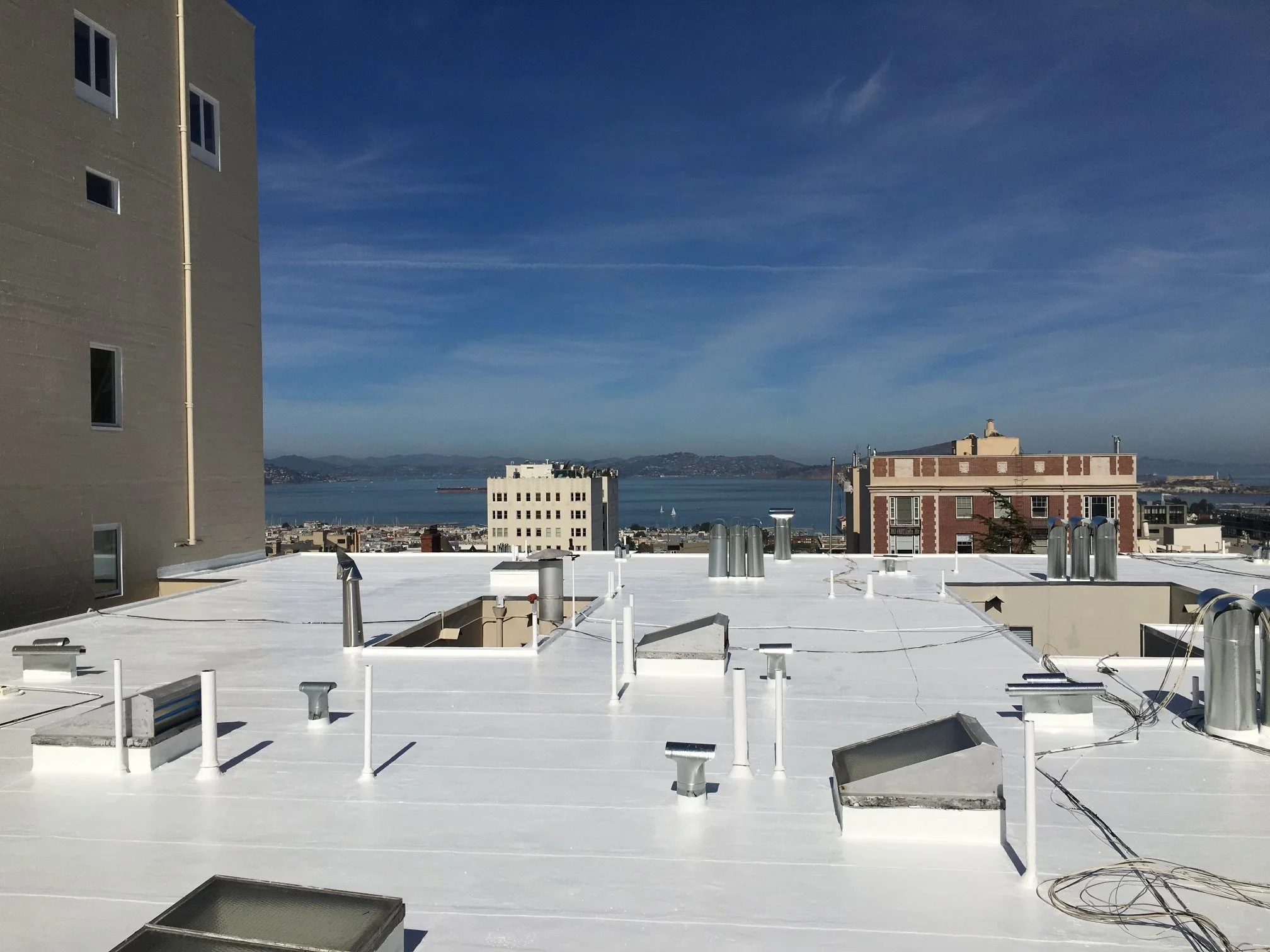
Sure Roofing Has Helped San Francisco HOA Boards Navigate Condo Roof Projects Since 1982
Four decades of condo roof work across San Francisco gives Sure Roofing & Waterproofing a working understanding of what HOA boards need from a roofing contractor: clear permit documentation, work that satisfies SFDBI inspection requirements and a completed project the board can document in its reserve study records. Richard Choy founded Sure Roofing & Waterproofing in San Francisco in 1982.
Sure Roofing & Waterproofing is Diamond Certified, with ratings based on verified customer satisfaction surveys from residential and commercial clients across San Francisco, Marin County and San Mateo County. Boards facing project-specific governance questions should consult their HOA attorney for guidance on their specific CC&Rs and governing documents. Schedule a free estimate to discuss where a condo roof project falls before the board conversation begins.
Frequently Asked Questions
-
Sure Roofing & Waterproofing explains that in most San Francisco condo buildings, the HOA is responsible for the roof. Davis-Stirling, California's statutory framework governing HOA rights and responsibilities, assigns associations the obligation to repair, replace and maintain common area, and Civil Code §4775 establishes that the roof typically qualifies as a common area component.
-
Sure Roofing & Waterproofing explains that not every condo roof repair requires a permit in San Francisco. Small patch work covering less than 25% of total roof surface in any 12-month period does not require a permit under SFDBI guidance. Work exceeding that threshold or any project replacing structural components requires a permit before work begins.
-
Sure Roofing & Waterproofing explains that the need for a member vote depends on how the HOA's governing documents classify a project. Under Davis-Stirling, boards typically have authority to approve scheduled roof replacements in the reserve study without a member vote. Discretionary capital improvements that add new features or substantially upgrade common area may require a member vote under CC&Rs.
-
Sure Roofing & Waterproofing explains that a reserve study is a document California HOAs must prepare at least every three years under Civil Code §5550. The reserve study inventories major components, documents each component's remaining useful life and estimates replacement costs. Roofing qualifies as a major reserve component, so the HOA must include the condo roof in the reserve study.
-
Sure Roofing & Waterproofing explains that Davis-Stirling gives boards three options when reserves fall short: increase regular assessments, levy a special assessment or temporarily borrow from reserves with a disclosed repayment plan. Under Civil Code §5605, special assessments up to 5% of annual budgeted gross expenses need no member vote; amounts above that threshold generally require a member vote.